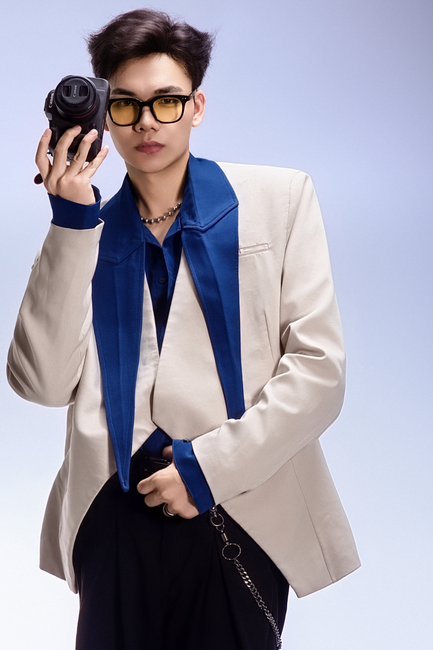


Patience pays when you shop for vintage, while impulse tends to bring penalties. Unique pieces can make you forget to check fit and condition, or whether an item has a place in your wardrobe. The goal is not to buy something old merely because it is old, but to find pieces that earn their place beside what you already wear. Since most mistakes occur before the mirror, a calm and methodical approach will save money and regret. If jackets is on your mind, the points below should help.
Take note of the gaps after examining what you genuinely wear, before heading out. Consider colour, silhouette and fabric instead of sticking to a strict list of items you lack. Should you repeatedly choose the same loose trousers, another pair in a different weight could be more practical than a dream dress.
Take with you a fabric tape measure and the figures for a favourite jacket or shirt. Compare those measurements against each garment you try, above all if its label is gone or its sizing appears unfamiliar. More can be learned from a handful of key measurements than from any size number.
The colours that suit you in daylight are also easier to recognise after a wardrobe audit. Check whether a shade enhances your complexion by holding a favourite scarf or shirt beside your face. Strong patterns and unusual shades fill vintage rails, so a fast reference point helps you remain focused.
Look at the areas that wear out first after turning the garment inside out. More can be learned from armpits, collars, cuffs, hems, crotch seams and pocket corners than from the front display. Step toward a doorway or window where you can, as natural light is superior to shop lighting.
Give the seams a gentle tug as you run your fingers along them. Search for snagged threads, missed stitches and repairs that are stiff or awkward. See if the buttonholes hold by doing up every button, and examine zips from end to end. For a closer look, custom leather jackets covers this in more detail.
To find moth holes, thin patches and concealed stains, hold the material up to the light. Odour counts as well: heavy perfume, smoke or mustiness may survive a wash for a long time. Work out whether a minor flaw is something you are prepared to mend, and admit whether you will truly do it.
Check the unglamorous details before you decide to buy. It is these faults that can make a cheap find a source of regret.
Often a little repair justifies the work, but only when the cloth still has enough strength to support it. Restitching can fix a weak seam; a paper-thin patch of cloth, that said, will keep breaking down. Where the damage lies in a high-stress spot you cannot cover, leave the piece.
Once on, a piece can feel awkward even if it looked wonderful on the rail, because vintage sizes are inconsistent. Because the shoulders and armholes are the most difficult areas to alter successfully, start there. Then, as you move, sit and stretch forward, examine the waist, hips and length.
Buying in the hope of later alterations should be avoided unless the change is easy and your tailor is trustworthy. Rebuilding a shoulder or resizing a jacket is not usually straightforward, whereas shortening a hem or taking in a waist is. Should the fabric gape, pull or limit your movement, put it back.
Even if you must move away from the mirror, try the piece with the layers and shoes you wear most. Tight armholes and short hems show up in ordinary movement: sit down, lift your arms and crouch slightly. When you must keep adjusting a garment, its cut does not suit you.
Find out from the seller whether the piece has been repaired or altered, and how it has been cleaned. Smells or damp that could otherwise escape you may come to light through a basic question about storage. Should the care label be gone, ask what the cloth is and how it takes water.
For a purchase made at a distance, seek measurements and detailed daylight images. Find out what flaws have been disclosed and whether a return is possible. Make your questions practical; the aim is to collect information, not to examine the seller.
Do not hesitate to request a closer second view of a repair or stain. It is easier to trust a seller who is open about faults than one who dismisses your worries. Treat any sense that something is evasive as useful information, and walk on.
Set your limit before you start searching, and see it as fixed instead of a figure you can haggle down with yourself. If impulse buying is a habit, take only what you are prepared to spend. The spell of a crowded rail can be broken by a brief walk and something to drink.
Before handing over money, list three garments already in your wardrobe that would go with the find. Should the answer require another purchase, or should you be unable to answer, walk away. Do not let a queue or the approach of closing time decide for you, and check the returns policy when in doubt.
The best vintage purchases feel like additions to a wardrobe you already understand. They fit, survive close inspection and work with more than one outfit. If a piece fails any of those tests, walking away is a success rather than a missed opportunity. The same thinking applies well to jackets.

Lancashire Beverages shares practical, down-to-earth guidance on lancashire drinks culture, covering real ale, craft beer, hot drinks, cider, soft drinks and home brewing. for readers across the UK.


Leave A Comment